Use AI to create content worth reading (instead of words that sound like everyone else.)
The real work happens in editing, adding stories, and making sure the piece sounds like it was written by someone with lived experience, not just access to a tool.
It doesn’t take more than a couple scrolls on LinkedIn to see a clearly AI-produced post. You know the kind. Posts that open with a rocket emoji, glide through neat little sentences, and land on a tidy takeaway that sounds meaningful but says…almost nothing. The formatting is clean, the grammar is flawless, and somehow the whole thing still feels hollow. It reads like a machine doing its best impression of a thought leader.
People are turning to AI for good reasons. The efficiency is real, especially for teams that are stretched thin and under pressure to produce more content than ever before. AI lowers the barrier to publishing, speeds up research, and helps ideas get out of people’s heads faster. But the part no one really wants to talk about is the trade-off that comes with that speed.
When it gets too easy to publish, it also gets too easy to ignore.
We’re producing more content than ever—more blog posts, more LinkedIn updates, more newsletters—but quantity alone isn’t moving the needle. A lot of what’s being published isn’t changing how people think, creating trust, or sparking meaningful conversations. It’s just more words in an already crowded feed, competing for attention and rarely winning it.
So the real question isn’t whether you should use AI to write. That ship has sailed.
The better question is how to use AI in a way that doesn’t flatten your ideas or erase the thing that actually makes your marketing effective: your perspective.
The uncomfortable truth: AI isn’t the problem. “Low thought” is.
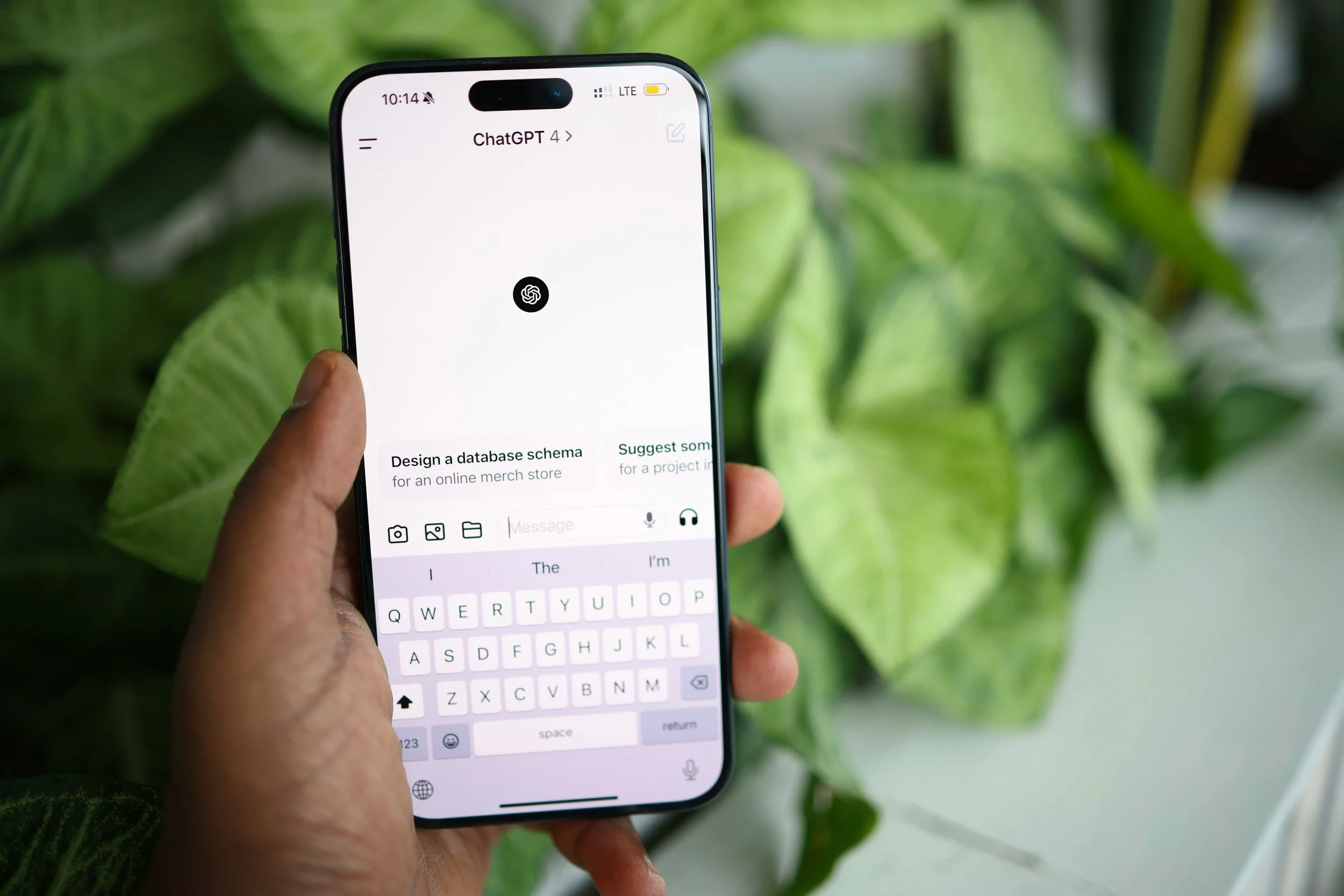
We use AI constantly on the Towers Growth team, and we’re not shy about it. It helps us move faster, especially when we’re writing technical content or getting up to speed on unfamiliar topics. It makes research and drafting more efficient, which is incredibly valuable when time is limited and expectations are high.
But we don’t let AI finish the job. There’s an art to good writing, especially writing that earns attention from smart, busy people. And that art disappears the moment you let speed replace thinking.
Here’s what we’re seeing when teams let AI take over without much oversight.
If it didn’t take much thought to “write,” it won’t take thought to read.
When the process is simply prompt, paste, post, the reader can feel it immediately. There’s no tension, no specificity, and no sense that the author has wrestled with the idea long enough to land somewhere meaningful. The content might be technically correct, but it’s emotionally flat.
Strong content almost always includes a clear observation, a point of view, or a lived example that signals credibility. It gives the reader something to react to or sit with, not just something to skim. If you aren’t putting thought into what you’re trying to convey, your audience won’t put thought into consuming it. And they certainly won’t remember it.
AI writes “perfectly,” and that’s exactly why it feels fake.
AI-generated writing is often grammatically correct to a fault. Sentences are balanced, transitions are smooth, and everything flows in a way that feels almost too polished. The problem is that humans don’t actually write like that, even the ones who enjoy writing and care deeply about grammar.
Those slightly awkward sentences, mid-thought clarifications, or imperfect transitions are often what make writing feel real. They force the reader to slow down just enough to think, “What does the author mean here?” When machines smooth all of that away, content becomes incredibly easy to skim and just as easy to forget. The result is content that looks good on the surface but leaves nothing behind.
People are developing a natural distrust of AI-shaped writing.
This shift is already happening, even if we don’t always name it. Readers are starting to recognize the patterns of AI-generated content: the emoji openers, the em dashes, the excessive bullet lists, the overly motivational tone that sounds vaguely helpful but never specific. Once people see those signals, their brains often check out before the ideas even have a chance.
That’s the real risk. Even thoughtful, well-intentioned content can get written off simply because it looks like everything else flooding the feed. When your writing blends in with AI slop, you’re asking readers to work harder to trust you. And the harsh truth is that most won’t bother.
Volume is increasing, but the quality of things to say isn’t.
AI didn’t suddenly give everyone better insights; it just made output faster. That means there’s more content everywhere, but not necessarily more original thinking behind it. Blog posts, LinkedIn updates, and newsletters are multiplying without a corresponding increase in depth or clarity.
It’s a big reason we’ve waited so long to start regularly publishing content over here. We wanted to make sure we had something worth contributing to the conversation, not just more noise in the world.
At the same time, people’s attention spans are under constant strain. We’re all processing an absurd amount of information every day. So as marketers and leaders, we’re not just competing with other companies, we’re competing with cognitive overload. In that environment, more content doesn’t win. Better content does.
What to do about it: Use AI like a power tool, not a ghostwriter.
If you want AI to support your marketing without flattening it, the approach has to change. The goal isn’t to eliminate AI from your workflow, but to put it in the right place. Used well, it can amplify your thinking. Used poorly, it replaces it.
Get clear on your tone of voice.
If you don’t define your voice, AI will default to the internet’s voice, one that's generic, polished, and instantly forgettable.
Start by collecting a handful of writing samples you genuinely admire, whether they’re yours or someone else’s. Look for pieces that convey the tone you want your company to have, whether that’s authoritative, warm, direct, or quietly confident.
Feed those samples into your AI tool and ask it to create a tone and style guide. Then (and this part is critical) edit what it gives you. AI will get close, but it won’t capture your preferences perfectly. Things like paragraph length, sentence rhythm, and how much space you want ideas to take up matter more than most people realize.
AI PROMPT:“Using the following writing samples, create an easy-to-follow writing tone and style guide that I can use to write future content. Please be specific about the grammatical style, use of paragraphs versus lists, the overall writing tone. Ask me follow-up questions if there are areas that are unclear to you.”
Write better blog posts by starting with your thinking first.
If you want your content to sound different, you need a step in the process where AI can’t do the work for you. Before you ask for an outline or a draft, write down your own bullet points about what you actually want to say. These don’t need to be polished or comprehensive; they just need to reflect your real thoughts and experiences.

Here’s an example of our bullet points for this article >>Once you’ve done that, use AI to turn those bullets into a structured outline. Review that outline carefully, looking for places where your original intent got watered down or replaced with filler. This is where you decide what deserves more depth, where to add first-hand examples, and what doesn’t belong at all.
AI PROMPT: “Using my bullet points below, write a first draft of a blog article on [xyz topic]. This blog article should be [1200-1500] words and follow the tone and style guide we created in a previous prompt.”
After you’ve edited the outline, then you can ask AI to draft the article. But even then, the draft is just a starting point. The real work happens in editing and adding your own stories.
Think about this: What have you learned and gained from your years of experience that AI simply cannot know? If you’re giving advice, give advice based on what you’ve seen in real life, not scenarios a machine has gleaned from other peoples’ experiences.
Adding your own POV ensures the piece sounds like it was written by someone with lived experience, not just access to a tool.
Write better LinkedIn posts without becoming a content factory.
LinkedIn is where AI-generated content shows up most aggressively, which means it’s also where differentiation matters most. Start by using AI to brainstorm topics that align with your tone and audience, then narrow those down to the ones where you actually have something specific to say. Generic motivation won’t cut it.
AI PROMPT: “Help me create 20 ideas for LinkedIn posts I could write about that speak to my areas of expertise.”
For each topic, jot down a few notes based on real moments or lessons you’ve learned. Then let AI help you shape those notes into a post. The difference between a forgettable LinkedIn update and an engaging one usually comes down to specificity, a concrete example, or a clear opinion that signals you’ve been there before.
AI Prompt: “Here are my five favorite ideas from the ones you’ve provided, along with a short note on each of them. Use these notes to create drafts of each post idea.”
Then edit what it gives you! Very rarely will a first draft from AI be fully authentic to your tone and perspective. Think critically about if you would say these word s had you written the post from scratch. And if something doesn’t resonate, replace it with your own words!
The part that actually matters.
Engagement doesn’t come from posting more frequently. It comes from adding something real to the conversation. First-hand experience, a clear point of view, and thoughtful framing will always outperform polished fluff.
AI can help you move faster, explore ideas, and clean up structure. But if you let it replace your thinking, you’ll end up publishing content that looks good and does nothing. The content that earns attention is rarely the content that was easiest to produce. That’s still true, no matter how powerful the tools get.
Read More